From Conflict to Connection: Turning Problems Into Learning Moments
- challengeyourchild
- Apr 27
- 3 min read


Parenting is filled with everyday challenges, from minor disagreements to more intense emotional outbursts. While conflict is often seen as something to avoid, it can actually be one of the most powerful growth opportunities—for both parents and children. When approached with the right mindset, these difficult moments can strengthen relationships, build trust, and teach valuable life skills.
One of the most effective problem-solving strategies for parents is to reframe conflict as a teaching moment rather than a disruption. Instead of reacting impulsively, parents can use these situations to guide children towards understanding emotions, communication, and responsibility. This shift in perspective turns everyday struggles into meaningful learning experiences.
Understanding the Root of Conflict
Children’s behaviour is often a form of communication. Tantrums, defiance, or withdrawal may signal unmet needs, frustration, or confusion. Rather than focusing solely on the behaviour, it is important to ask: What is my child trying to express? By identifying the root cause, parents can respond more effectively and compassionately.
Staying Calm in Heated Moments
Emotional regulation begins with the parent. When adults react with anger or frustration, it often escalates the situation. Staying calm does not mean ignoring the problem—it means approaching it with clarity. Taking a pause, lowering your voice, and maintaining composure can help de-escalate tension and create space for productive conversation.
Listening with Empathy
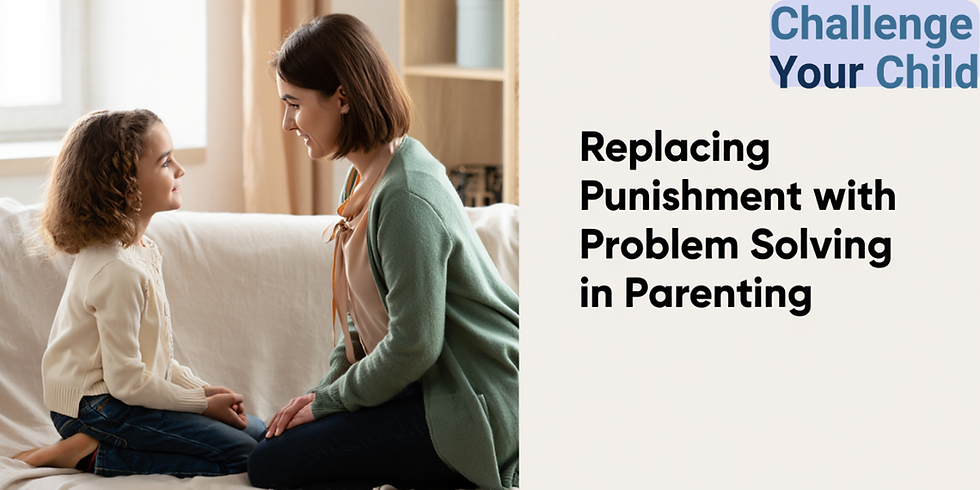
Children need to feel heard and understood. Active listening—making eye contact, acknowledging feelings, and avoiding interruptions—can make a significant difference. Phrases like “I can see you’re upset” or “That sounds frustrating” validate their emotions and encourage open communication. This builds trust and helps children feel safe expressing themselves.
Teaching Problem-Solving Skills
Instead of providing immediate solutions, involve your child in the process. Ask open-ended questions such as, “What do you think we can do to fix this?” or “How could we handle this differently next time?” This approach empowers children to think critically and develop independence. Over time, they learn how to navigate challenges on their own.
Setting Clear and Consistent Boundaries
While empathy is essential, boundaries are equally important. Children need structure to feel secure. Clearly explain expectations and consequences calmly and consistently. When rules are predictable, children are more likely to understand and respect them. Boundaries should guide behaviour, not punish it.
Turning Mistakes into Lessons
Mistakes are a natural part of learning. Instead of criticising or shaming, use these moments to teach accountability and growth. Discuss what went wrong and explore better choices for the future. This helps children develop resilience and understand that errors are opportunities to improve, not failures to fear.
Encouraging Emotional Intelligence
Helping children recognise and name their emotions is a key step in conflict resolution. Teach them words for different feelings and discuss how emotions influence behaviour. When children understand their emotions, they are better equipped to manage them. This reduces conflicts and promotes healthier interactions.
Strengthening the Parent-Child Connection
At the heart of every conflict is a chance to connect. When parents respond with patience, empathy, and guidance, children feel supported rather than judged. This strengthens the emotional bond and creates a foundation of trust. Over time, children become more open, cooperative, and confident in sharing their thoughts.
Building Long-Term Life Skills
Using effective problem-solving strategies for parents not only resolves immediate issues but also equips children with essential life skills. Communication, empathy, critical thinking, and emotional regulation are abilities that will benefit them well into adulthood. These lessons, learned at home, shape how they handle relationships and challenges in the future.
Conclusion
Conflict is an inevitable part of parenting, but it does not have to be negative. When approached thoughtfully, it becomes a powerful tool for teaching and connection. By staying calm, listening with empathy, and involving children in problem-solving, parents can transform difficult moments into meaningful lessons. Ultimately, the goal is not to eliminate conflict, but to use it as a bridge—from frustration to understanding, and from disconnection to deeper connection.


Comments